

In a rapidly evolving energy landscape, the interconnections between global economies, technologies, and environmental policies are more crucial than ever. From innovative approaches to renewable energy to the shifting regulatory frameworks shaping the industry, understanding the current state and future projections of the energy sector is essential for stakeholders worldwide. This article delves into key global energy trends, regulatory shifts, and the factors driving energy prices, providing a comprehensive overview of the energy world as it stands today.
Current Global Energy Trends
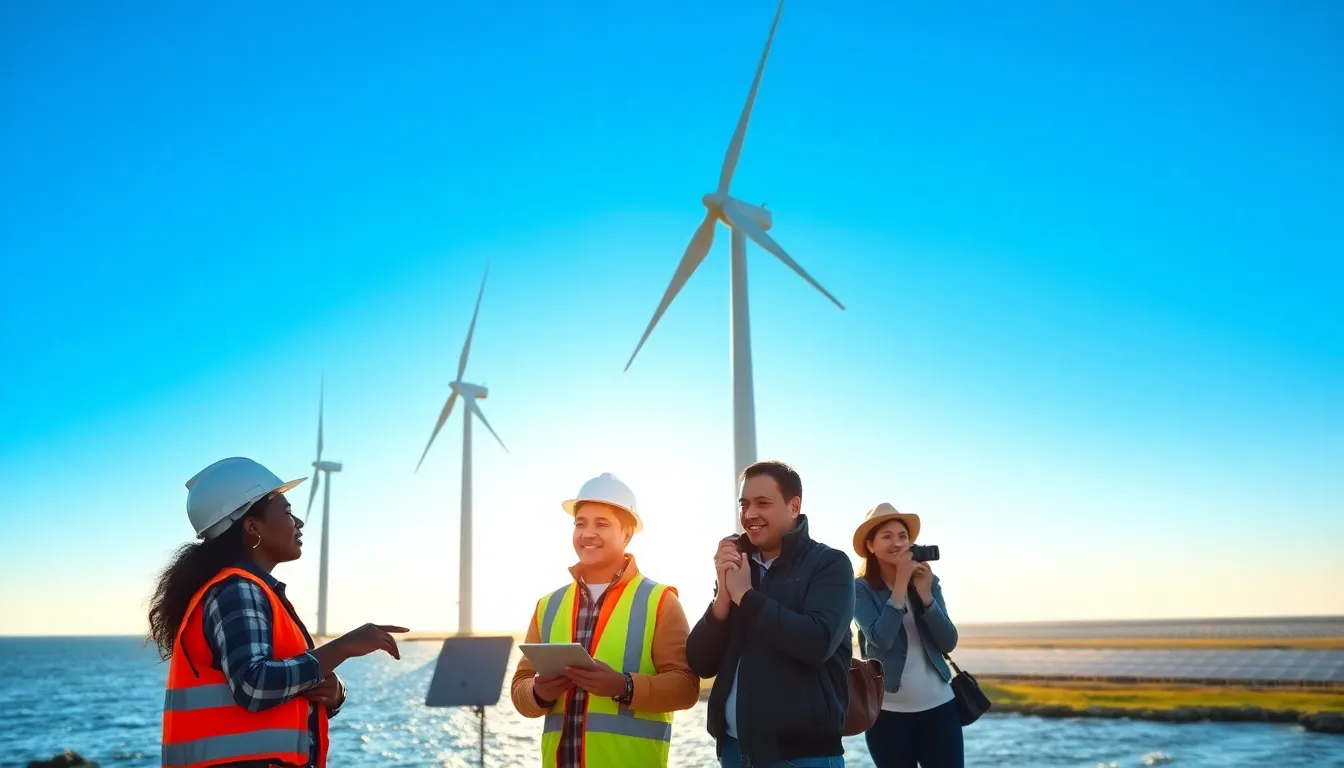
Innovations in Renewable Energy
The global shift towards renewable energy has gained remarkable momentum over recent years. Innovations in solar, wind, and hydropower technologies are not just transforming how energy is produced but are also making renewable options more economically viable. For instance, the cost of solar panels has decreased significantly due to advancements in photovoltaic technology and increased manufacturing efficiency. Also, offshore wind farms are becoming a staple in energy portfolios, promising substantial energy yields with minimal ecological footprints.
Renewable energy sources are expected to account for over 50% of global electricity generation by 2030, driven by substantial investments and commitments from both government and industry leaders.
Emerging Markets in Energy Transition
Emerging economies are at the forefront of the energy transition, leveraging resources and innovation to meet their growing energy demands sustainably. Countries like India and Brazil are investing heavily in renewable technologies, recognizing the dual benefits of energy independence and environmental responsibility. As access to financing improves and technology becomes more accessible, these markets are likely to lead the charge toward sustainable energy solutions, creating new opportunities for global investments and partnerships.
Regulatory Changes Impacting Energy Sector
As the world pivots towards renewable energy, regulatory frameworks are evolving to support this transition. Governments are implementing new policies aimed at reducing carbon emissions and promoting green technologies. For example, the European Union’s Green Deal outlines ambitious targets for reducing greenhouse gas emissions by at least 55% by 2030 compared to 1990 levels.
Also, countries are establishing carbon pricing mechanisms to incentivize industries to adopt low-carbon technologies. These regulatory changes are not only shaping national energy strategies but also influencing global supply chains and investment patterns as companies adjust to comply with stringent environmental standards.
Global Energy Prices: Analysis and Forecast
Sustainability Initiatives Worldwide
Global energy prices are in a state of flux, influenced by various factors including geopolitical tensions, supply chain disruptions, and the push for sustainability. The recent rise in oil and natural gas prices has sparked discussions around energy security and the need for diversification.
Many countries are prioritizing sustainability initiatives that aim to stabilize energy prices and enhance supply reliability. For instance, nations are increasing investments in energy storage solutions and grid modernization to better integrate renewables.
Corporate Responsibility in Energy Consumption
Corporations are also adapting to these market dynamics by implementing sustainable practices in their operations. Companies are increasingly disclosing their energy consumption and carbon footprints, driven by stakeholder demand for transparency. This shift towards corporate responsibility not only helps mitigate risks associated with energy price volatility but also aligns with broader consumer trends favoring sustainable brands.
Technological Advancements Driving Efficiency
Impact of Climate Change on Energy Policies
Technological advancements are critical in enhancing energy efficiency. Innovations in smart grid technology, energy-efficient appliances, and demand response systems play an essential role in optimizing energy use. These technologies not only reduce costs but also minimize environmental impact, proving that efficiency and sustainability go hand in hand.
In response to climate change, many governments are revising energy policies to ensure resilience and adaptability. This involves promoting technologies that reduce emissions and enhancing energy infrastructure to withstand extreme weather events, an increasingly pressing concern considering global climate patterns.
Public Response and Activism
Public response to climate change is fueling activism and influencing energy policies across the globe. Grassroots movements advocating for renewable energy sources and stricter regulations on fossil fuel consumption are gaining traction. As citizens push for more significant action from their governments, policymakers are compelled to respond, often leading to more robust environmental legislation and initiatives designed to combat climate change.
Conclusion
The world of energy is undergoing transformative changes driven by innovations, regulatory shifts, and public demand for sustainability. As nations strive for energy independence and environmental stewardship, the dynamics of energy production and consumption are evolving rapidly. Understanding these trends is essential for stakeholders at all levels, governments, corporations, and citizens alike. The future of energy promises to be more sustainable, resilient, and inclusive, ensuring that the planet’s resources are utilized responsibly and effectively.