
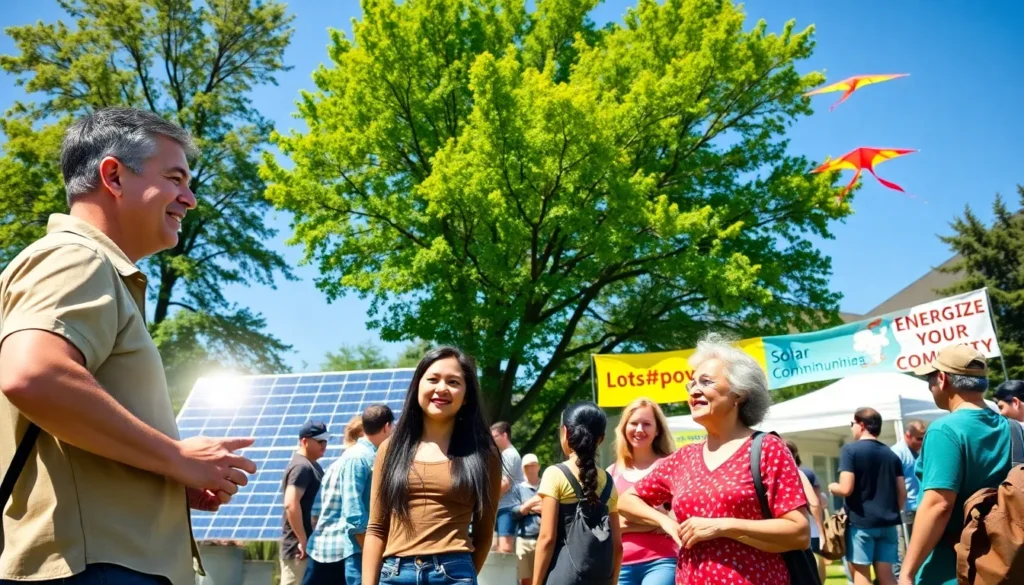
In an era where sustainable living is not just a trend but a necessity, community energy solutions are pivotal for a greener future. LotsOfPower has emerged as a leader in providing energy options that empower local communities, making them more self-sufficient and environmentally friendly. This article delves into the significance of community energy, how renewable resources play a key role, innovative initiatives spearheaded by LotsOfPower, and ways you can participate in this transformation. Join us in exploring how energized communities thrive and lead the charge towards sustainability.
Understanding the Importance of Community Energy Solutions
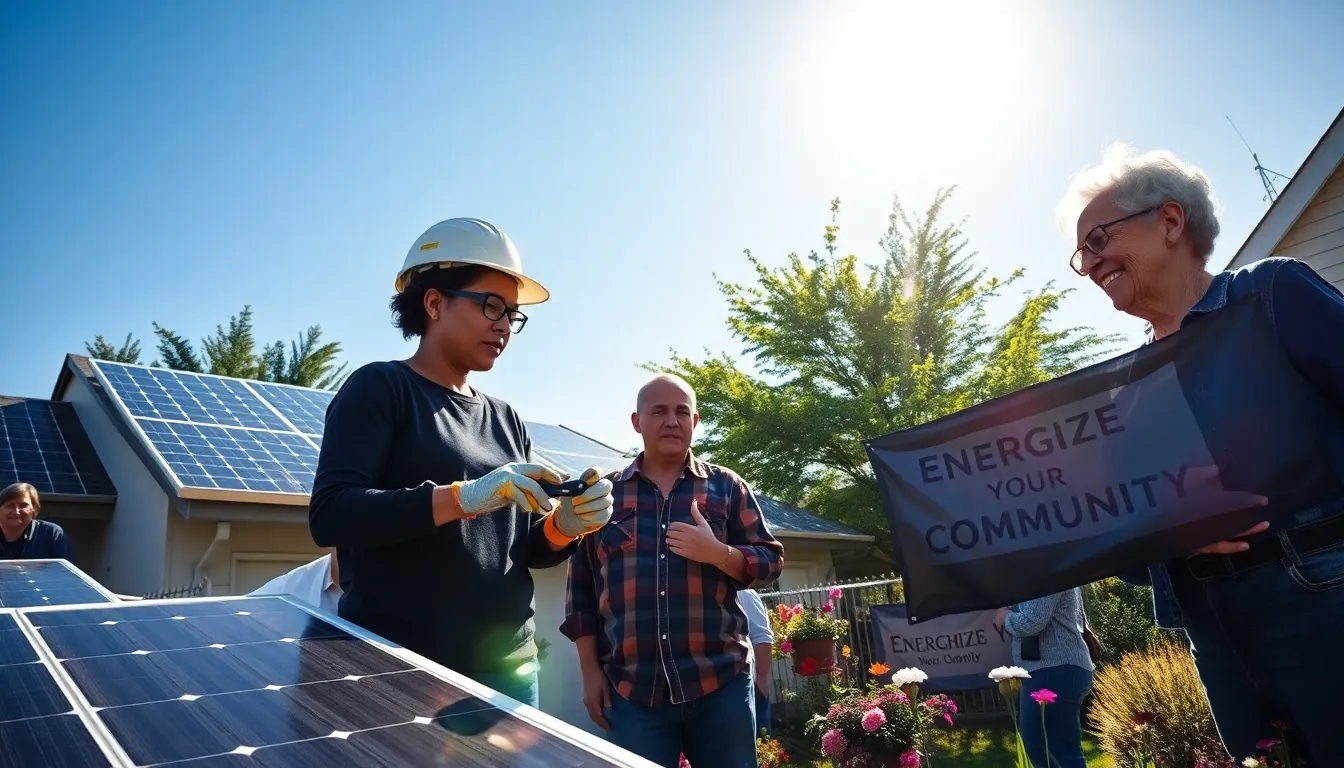
Community energy solutions are crucial for fostering resilience and sustainability within localities. They not only reduce reliance on non-renewable energy sources but also empower individuals and groups to take charge of their energy consumption and production. Such solutions create an economic ripple effect: they generate jobs, stimulate local economies, and, most importantly, give communities a sense of ownership over their energy future.
When residents collaborate on energy projects, they share resources, knowledge, and costs, which fosters a strong sense of community. Also, adopting local energy solutions can lower energy bills significantly while reducing carbon footprints, showcasing the dual benefit of economic savings and environmental responsibility.
The Role of Renewable Energy in Communities
Renewable energy sources, such as solar, wind, and hydroelectric power, are the backbone of modern community energy solutions. They provide clean, sustainable alternatives that lessen the dependency on fossil fuels and combat climate change.
- Solar Power: Many communities are transforming rooftops into solar farms. By installing photovoltaic panels, they harness sunlight to power homes and businesses, leading to significant cost savings and reducing greenhouse gas emissions.
- Wind Energy: Communities have also taken to wind turbines, which convert wind energy into electricity. By designating specific areas for wind farms, they can generate substantial power while providing local employment opportunities.
- Hydropower: For communities near bodies of water, micro-hydropower systems offer a localized energy solution. These systems use flowing water to generate electricity, ensuring communities have a stable energy supply.
The transition to renewable energy not only strengthens local economies but aligns community values with environmentally friendly practices, fostering a sustainable living ethos.
Innovative Initiatives by LotsOfPower
LotsOfPower has pioneered numerous community energy initiatives that set an example for others to follow. They focus on innovative projects tailored to specific community needs such as:
- Community Solar Projects: LotsOfPower has developed community solar farms where members can buy shares in solar installations. This initiative allows those who might not have suitable roofs for solar panels to benefit from solar energy.
- Energy Cooperatives: They have partnered with local residents to create energy cooperatives, enabling communities to produce, consume, and manage their energy collectively. This model not only increases local energy production but also fosters a sense of belonging.
- Educational Programs: Recognizing the importance of education, LotsOfPower provides training and workshops on energy efficiency and renewable systems. Educating the next generation and current residents ensures the longevity of energy independence.
How to Get Involved in Energizing Your Community
Getting involved in community energy initiatives is easier than one might think. Here are some ways individuals can contribute:
- Join Local Initiatives: Attend community meetings or engage with local organizations focused on renewable energy. Many groups welcome volunteers who are passionate about sustainability.
- Educate Yourself and Others: Stay informed on energy issues and share this knowledge within your community. Host workshops or informational sessions to discuss the benefits of renewable energy.
- Advocate for Policy Changes: Engage with local governments to support policies that promote renewable energy projects. Effective communication with leaders can spur action on a community level.
- Invest in Renewable Energy Projects: Look for opportunities to invest in community solar or wind projects. Participating financially can help fund these initiatives while providing returns.
Success Stories: Communities Transformed by LotsOfPower
Many communities have experienced transformative changes through LotsOfPower initiatives. Here are a few notable examples:
- Greenwood: This small town transitioned from a reliance on coal to a thriving solar community. With the introduction of community solar projects, residents not only slashed their energy bills but also created a model for sustainability that other towns now aspire to emulate.
- Harrison County: An energy cooperative led by LotsOfPower enabled community members to collectively own wind turbines, which significantly provided local jobs and energy security.
- Lakeside: A town that was once plagued by energy poverty has since transformed after implementing a micro-hydropower system. Now, Lakeside boasts a reliable energy source, reducing expenses and increasing environmental awareness among its residents.
Future of Community Energy with LotsOfPower
The future of community energy is promising, especially with organizations like LotsOfPower at the forefront. Various trends are expected to shape this future:
- Increased Decentralization: As more communities adopt renewable energy, the conventional centralized model of energy production will give way to decentralized systems, encouraging localized consumption and production.
- Technological Advancements: Innovations such as energy storage solutions and smart grids will enhance the efficiency and reliability of community energy systems. These advancements will allow communities to optimize energy usage based on real-time needs.
- Resilience and Adaptability: The transition to renewable energy will bolster community resilience against climate change and economic uncertainties. Communities will become better prepared to face energy crises and shifts in the market.
Conclusion
Empowering communities through sustainable energy solutions is not just an ideal: it’s fast becoming a reality thanks to organizations like LotsOfPower. As communities harness renewable resources, they lay the groundwork for a more secure, environmentally-conscious future. By engaging with local initiatives, individuals can play a significant role in this transformation, fostering a sense of community and shared responsibility. As the movement towards sustainable energy continues, it is clear that the collective efforts of individuals, organizations, and communities will drive meaningful progress.