

PC gaming has grown from a niche hobby into a mainstream entertainment phenomenon. As technology advances and the gaming community expands, it offers unique experiences that set it apart from other platforms. This article explores the evolution of PC gaming, the rise of indie games, the importance of community, and future trends that promise to shape the landscape even further.
The Evolution Of PC Gaming
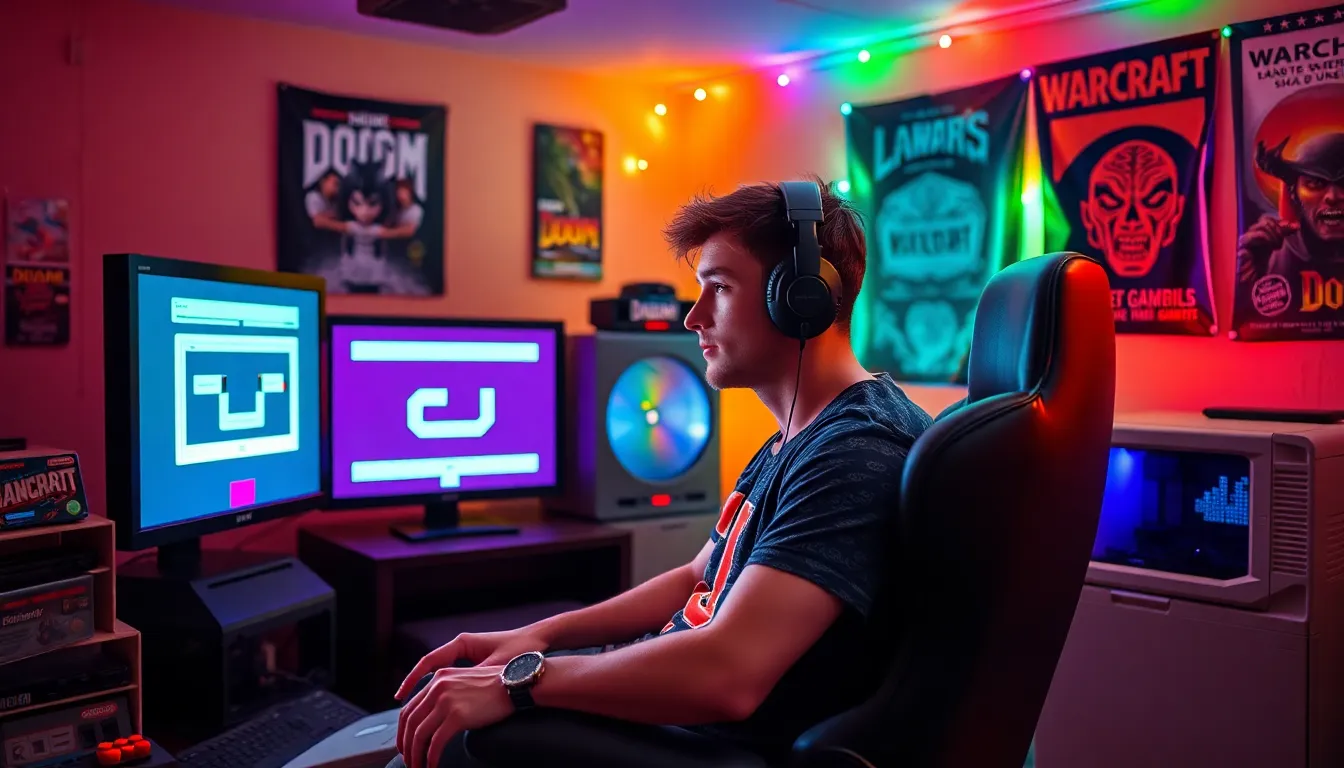
A Brief History
The history of PC gaming can be traced back to the early 1970s when games began appearing on mainframe computers. Titles like “Pong” and the first text-based games hinted at the potential for gaming as a form of entertainment. But, it wasn’t until the release of personal computers in the late ’70s and early ’80s that PC gaming truly began to flourish.
In the 1980s, titles such as “Wizard and the Princess” and “King’s Quest” introduced players to complex storytelling and visual graphics that had never been experienced before. As hardware improved, so did the games. The launch of Windows 95 marked a significant turning point, making PCs more accessible for gaming purposes. As a result, games like “Doom” and “Warcraft” took advantage of the improved system performance, paving the way for what would be a booming industry.
Key Milestones in PC Gaming
The late ’90s and early 2000s ushered in a goldmine of classic games and significant technological advancements. Games like “Half-Life” and “StarCraft” showcased the potential of multiplayer gaming and set standards for both graphics and narrative.
The rise of online gaming platforms in the mid-2000s, such as Steam, revolutionized the way games were distributed. The introduction of digital rights management alongside online multiplayer capabilities allowed for easier access to games and facilitated thriving gaming communities. Today, PC gaming is not only about high-end graphics and sound but also about community engagement, platform accessibility, and varied gaming experiences.
The Rise of Indie Games
Unique Gaming Experiences
In recent years, the indie gaming scene has exploded in popularity, offering unique experiences that are often more experimental than mainstream titles. Games such as “Hollow Knight,” “Celeste,” and “Stardew Valley” have won the hearts of gamers for their innovative mechanics and heartfelt stories.
These independent titles frequently draw inspiration from personal experiences, allowing players to engage emotionally on deeper levels. The success of platforms like Steam and itch.io has empowered developers to reach audiences without the backing of big studios, resulting in an exciting period of creativity and diversity in gaming.
Innovative Game Design Trends
Indie games have also pioneered several design trends, from pixel art aesthetics to genre-defining mechanics that challenge conventional gameplay. This innovation pushes mainstream developers to take risks and incorporate unique elements into their games. Also, the rise of roguelikes and narrative-driven games indicates that players are increasingly seeking fresh storytelling experiences rather than traditional gameplay.
As the indie scene continues to grow, it provides ample inspiration and serves as a constant reminder that creativity and innovation often come from unexpected places.
The Importance of Community
Building Connections Through Online Play
One of the most significant aspects of PC gaming is its community. Platforms like Discord and Twitch help gamers connect and form friendships that extend beyond the game itself. Online multiplayer experiences have shifted the focus from solitary play to collaborative engagement, allowing players to form teams, share strategies, and compete together on a global scale.
Communities built around popular games can offer everything from casual chats to competitive leagues, thereby enriching the gaming experience. Events such as LAN parties and eSport tournaments foster a sense of camaraderie and competition that many players find irresistible.
The Role of Streaming and Content Creation
Streaming has also altered the landscape of gaming communities. Gamers can not only play together but also share their experiences in real-time with platforms like Twitch and YouTube. This integration of content creation has driven communities to engage in discussions and collaborations that deepen their connection to the games they love.
Popular streamers often serve as community leaders, guiding discussions about strategies and gameplay while introducing new audiences to classic and emerging titles. Streaming not only enhances community building but also allows gamers to showcase their skills and entertain others, blurring the lines between playing and performing.
Future Trends in PC Gaming
Advancements in Technology
The future of PC gaming is poised for further innovation with advancements in technology. Graphics cards are becoming increasingly powerful, with real-time ray tracing and AI-driven features enhancing visual fidelity. Enhanced processing power and reduced load times are making even the most complex gaming worlds more accessible.
Also, innovations such as cloud gaming with services like NVIDIA GeForce NOW and Google Stadia are gradually changing how players access games. These technologies aim to break down barriers by allowing high-end games to be played on lower-end hardware, making gaming more egalitarian.
The Impact of VR and AR
Virtual Reality (VR) and Augmented Reality (AR) are set to redefine the gaming experience altogether. VR immerses players in entirely new environments, creating an unparalleled sense of presence and reality. Titles like “Half-Life: Alyx” have showcased the incredible potential that VR holds for immersive storytelling and gameplay.
AR, on the other hand, brings gaming into the real world in previously unimaginable ways. Games like “Pokémon GO” demonstrate how AR can create interactive experiences that encourage players to explore their surroundings. As both technologies rapidly advance, they promise to offer gamers new avenues for interaction, engagement, and creativity in their gaming journeys.
Conclusion
From its humble beginnings to the modern era of high technology and immersive experiences, PC gaming has become a multifaceted realm that continuously evolves. As indie games bring fresh narratives and innovative mechanics, and as communities blossom through online play and streaming, the future of PC gaming remains bright.
Technological advancements promise to further enhance how we engage with games, making the gaming landscape richer and more diverse than ever. As the boundaries between reality and gaming continue to blur, one thing is certain, PC gaming will keep evolving, offering new adventures for generations to come.